Installing an industrial production line in the food sector is far more than mechanically assembling components. Switzerland enforces particularly high standards — both for hygiene and workplace safety. Anyone working as an assembly partner here needs not just technical expertise, but also experience with the specific requirements of the industry.
Why Industrial Assembly in the Food Industry Is Different
Unlike general mechanical engineering, the food industry demands special care regarding materials, surfaces, and joining techniques. Every weld seam, every gasket, and every fastener must be executed to withstand strict hygiene regulations.
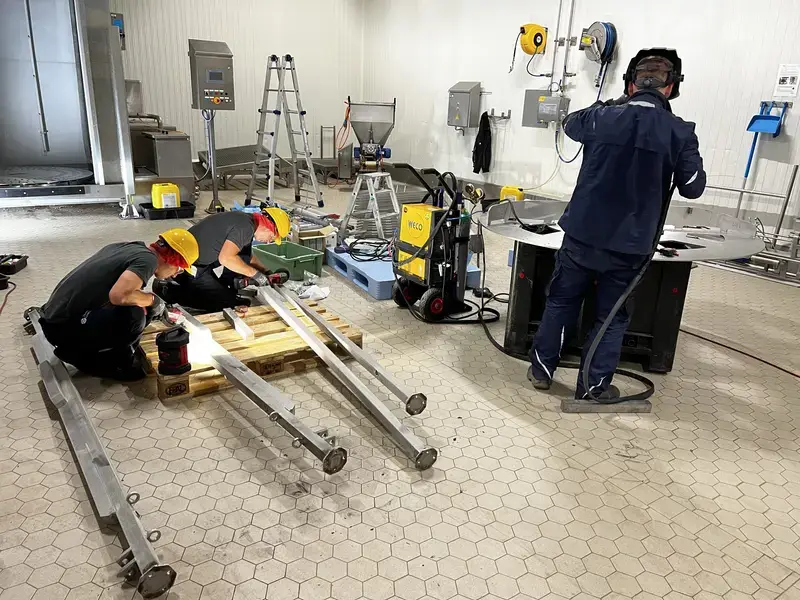
Stainless steel is mandatory: In areas with product contact, only stainless steel (1.4301 / 1.4404) is used. TIG welding is the standard, as it produces clean, pore-free seams that can be cleaned without residue.
Tolerances below 0.1 mm: When assembling washing and processing systems, tolerances of less than one-tenth of a millimetre are common. Even small deviations can cause seals to fail or conveyor belts to run unevenly.
Time pressure is the norm: Assembly in existing production halls often takes place during scheduled production stops — weekends, holidays, or annual shutdowns. Every day of delay costs the operator real money.
The Most Common Assembly Mistakes
In our 20+ years of experience with production systems in the food industry, we consistently see the same mistakes:
1. Inadequate On-Site Preparation
Many assembly projects fail not because of the technology but due to lack of planning. Has the floor load capacity been checked? Are the utility connections (water, compressed air, power) in the right place? Do the delivered components match the site conditions?
A thorough site survey before assembly begins — we recommend at least one day — often saves weeks afterwards.
2. Wrong Welding Process
MAG welding may be efficient in structural steelwork, but it has no place in food industry. The spatter and rough surface create attachment points for bacteria. TIG welding is the method of choice — slower, but hygienically impeccable.
3. Lack of Documentation
Swiss food companies must be able to document their systems completely. Material certificates, welding protocols, and conformity declarations should be delivered by the assembly partner as standard, not as an add-on service.
What to Look for When Choosing a Partner
When selecting an assembly partner for the food industry in Switzerland, the following criteria should be paramount:
- Verifiable references in the food sector (not just general mechanical engineering)
- Own TIG welders with relevant certifications
- Experience with Swiss standards and collaboration with cantonal food inspectorates
- Flexibility in working hours — weekend and holiday assembly must be possible
- Emergency standby for the post-commissioning phase
The Professional Assembly Process
A structured assembly process typically involves five phases:
- Survey and assessment — On-site measurement, infrastructure review, coordination with the operator
- Logistics and preparation — Component delivery, setting up the assembly zone, safety concept
- Mechanical assembly — Positioning, alignment, welding, bolting per manufacturer specifications
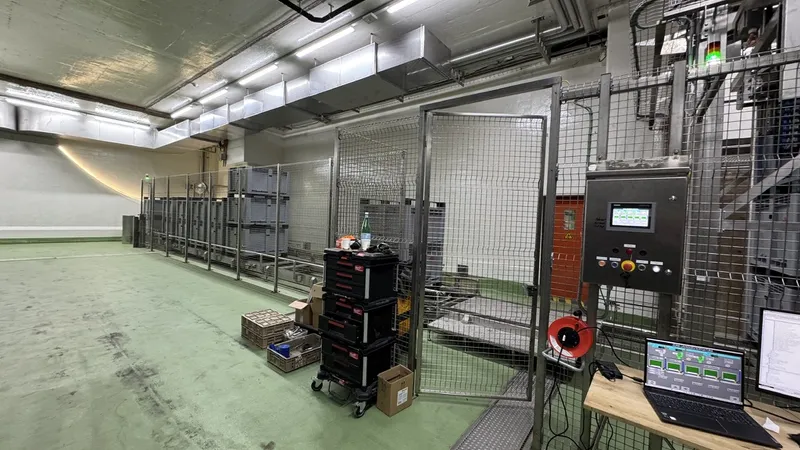
- Electrical assembly — Cabling, panel connection, sensors, safety circuits
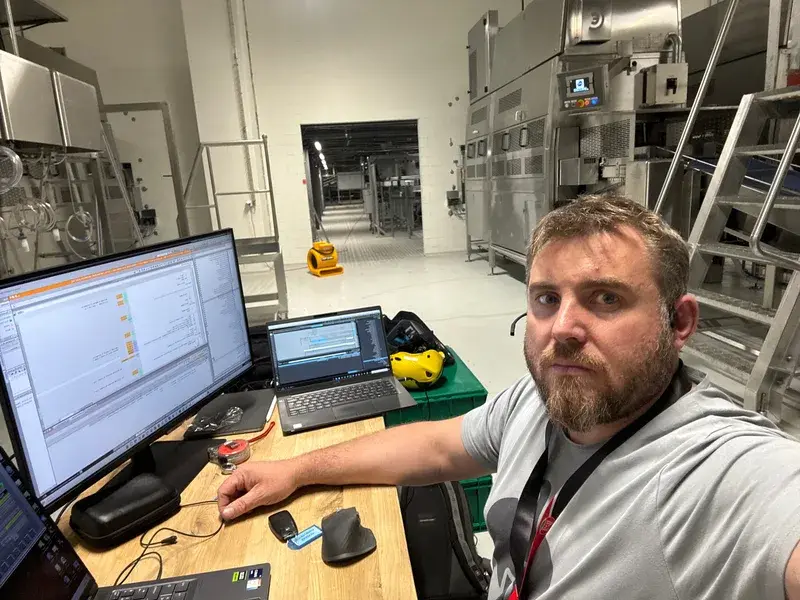
- Commissioning and handover — Test runs, parameterisation, operator training, documentation
Costs and Timeline
Assembly costs depend heavily on scope — the decisive factors are plant size, hygiene requirements and schedule pressure (night or weekend assembly). A binding quote follows the free on-site analysis. As time guidelines for Switzerland:
- Single machine (e.g., washing system): 2–5 days assembly
- Complete line (conveyor + processing + packaging): 2–6 weeks
- Retrofit of existing system: 1–3 weeks
These costs are significantly lower than hiring a permanent in-house assembly team — especially for mid-sized operations that don’t have year-round assembly needs.
Conclusion
Industrial assembly in the Swiss food industry is a specialist discipline that requires experience, precision, and sector knowledge. Choosing the right partner saves not just on the assembly itself, but avoids costly rework and production downtime.
VLD Service has specialised in exactly these tasks for over 20 years — from single machines to complete production lines. Contact us for an initial site survey.
For machinery manufacturers: If you sell equipment into Switzerland and need a local installation partner, learn how we support manufacturers as an on-site installation and service partner in Switzerland — without you needing to build your own Swiss team.